

Decentralized Exchange Aggregators: Enhancing Liquidity and Optimizing Trade Execution
Decentralized finance (DeFi) has witnessed remarkable growth, providing users with a wide range of opportunities…


Decentralized finance (DeFi) has witnessed remarkable growth, providing users with a wide range of opportunities…

$SMSP Presale Only 6 Days Left For Investors. Today, the SafeMoon Space team announced on…

In the cryptocurrency ecosystem, there are many different tokens or coins. Currency tokens, which serve…

With TurboXBT, making money online has never been easier. We are a new synthetic digital…



Many people who have bought crypto inside a wallet app have used Mercuryo without ever seeing its name. The “buy crypto” button looks like part of the wallet. Behind it, a separate company handles the identity checks, the fraud screening, the licences and the movement of money. That hidden layer is the business Mercuryo has built, and according to one of its senior executives, it is where much of the payments industry is heading as stablecoins move from trading into everyday use.

Most blockchains change slowly. Upgrades can take years of debate, and the people who hold the tokens rarely get a direct say. Cardano has taken a different route. Its community now proposes and votes on changes on-chain, and one organisation sits in the middle of that process, helping ideas turn into decisions.

Banks do not want to build a crypto desk from scratch. They want someone else to handle the wallets, the compliance and the settlement, to banking standards. That is the business Aquanow has built since 2018, and one of its co-founders says the biggest lesson was that good technology alone does not win the deal.

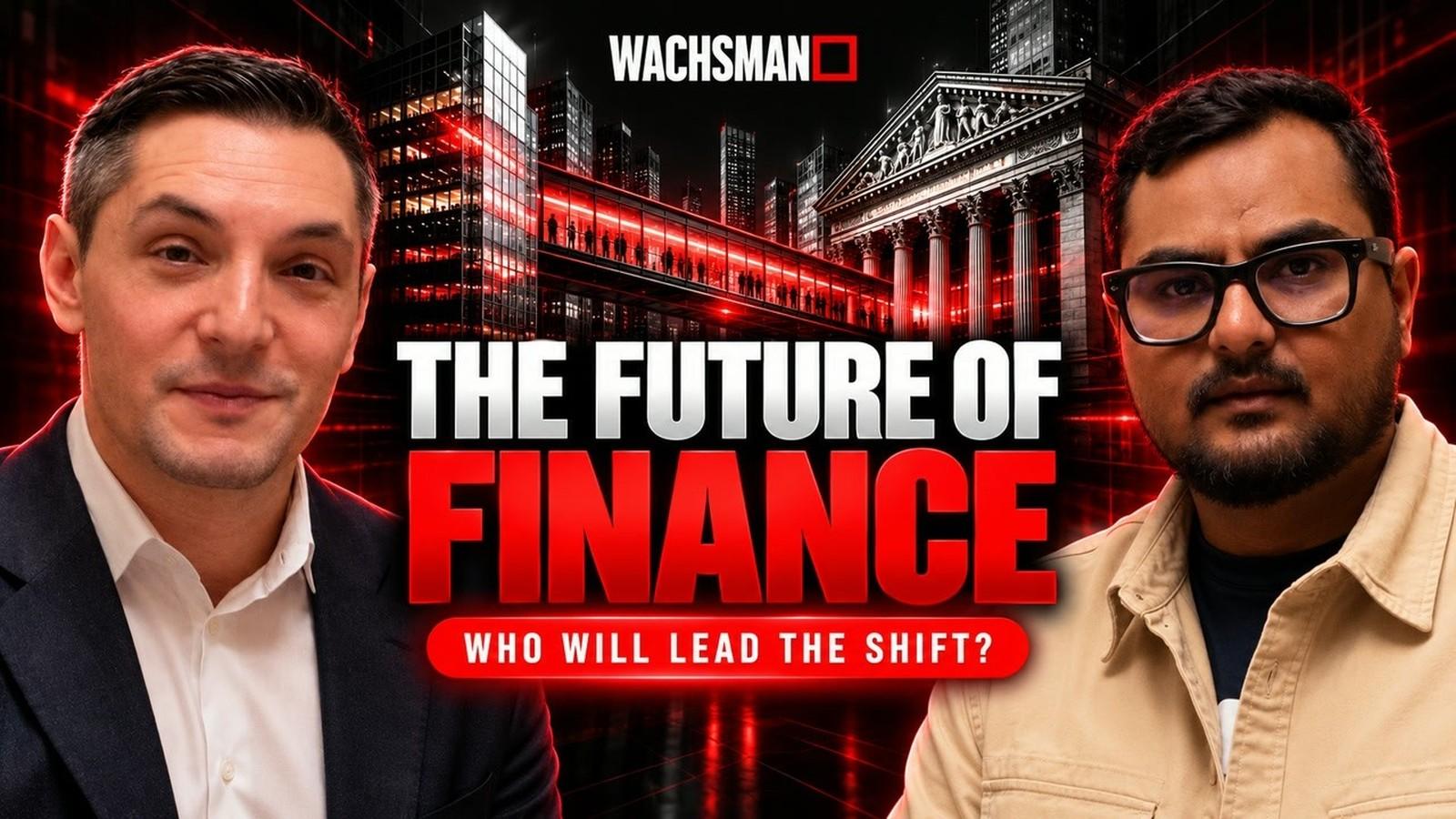
In early 2014, David Wachsman thought Bitcoin was a scam. Two nights of arguing with the head of a New York Bitcoin exchange changed his mind. About a year later, he started what he describes as the first communications firm built for the Bitcoin industry. Twelve years on, his question is no longer whether crypto works. It is when crypto stops being a separate industry and becomes simply part of finance.

Think about the last time you watched a big match, a concert or a DJ set on your phone. You probably scrolled through the comments and watched the stream. But did it feel like you were in the room with other people? For Christophe Dhaisne, Head of Product at Vibrez, the honest answer for most people is no. That gap, he argues, is what a new kind of social network should close.

Stablecoins can move money around the world in seconds. Yet for most businesses, paying a supplier or contractor in another country is still slow, costly and hard to explain to an accountant. According to one founder, the problem is not the technology. It is the missing layer between blockchains and the way ordinary businesses work.

For more than a decade, crypto exchanges have competed on the screen. Faster apps, cleaner charts, fewer taps to place a trade. According to one of OKX’s longest-serving executives, that contest is about to change. The next big user of a crypto exchange may not be a person at all – it may be a fleet of AI agents acting on that person’s behalf.

For most of the past decade, the quantum threat to cryptocurrency sat in the “someday” column. This year it moved closer.
Crypto markets move really fast, so it can be hard for beginners to know when to enter or exit a trade. Technical indicators help by turning price and volume data into simple, more visual signals. For the uninitiated, the point is never about collecting every indicator available on the internet. Look at what deserves your…
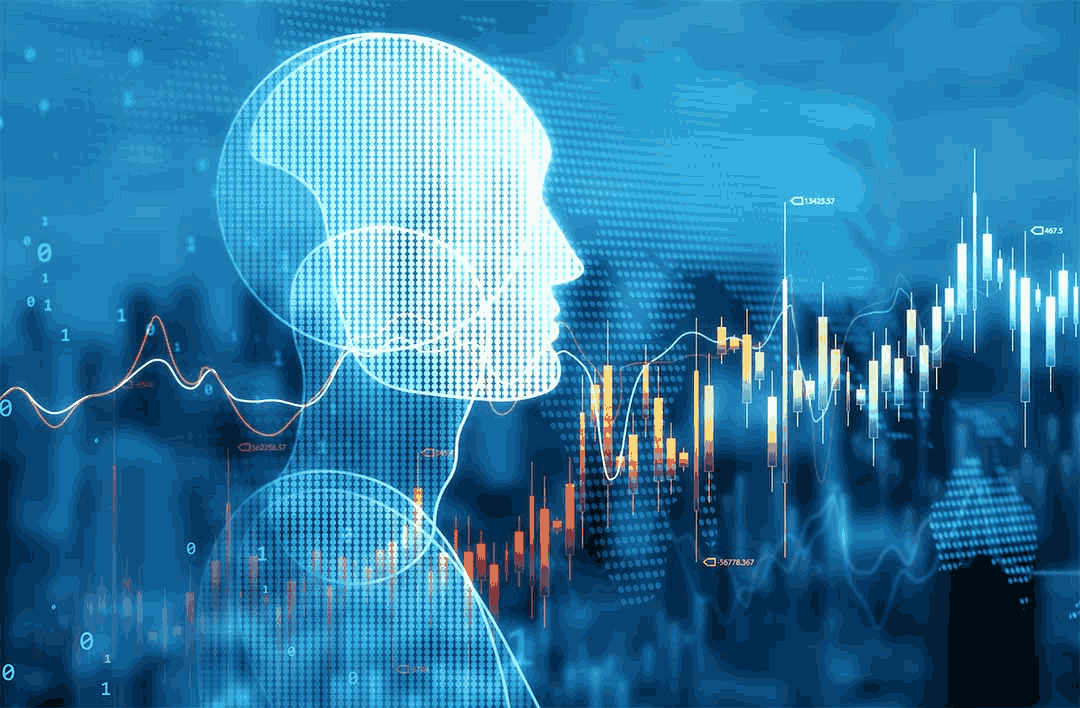
Financial markets move fast – and for traders, reacting to every price swing manually is challenging. That’s why more and more people are turning to algorithmic trading nowadays. This shift isn’t just happening with stock or forex markets. According to a report, the global algorithmic trading market will grow from $2.5 billion in 2025 to…